THE GESTURE
Hands between chest and forehead
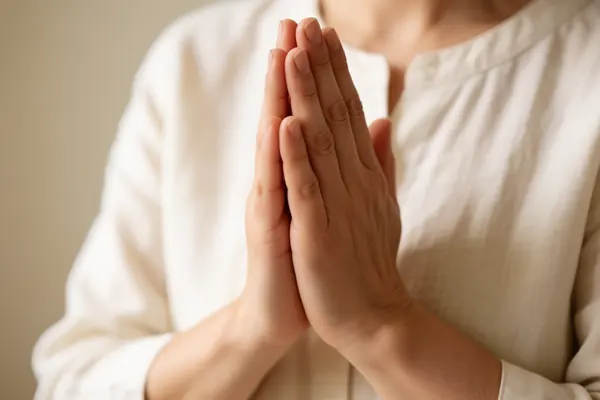
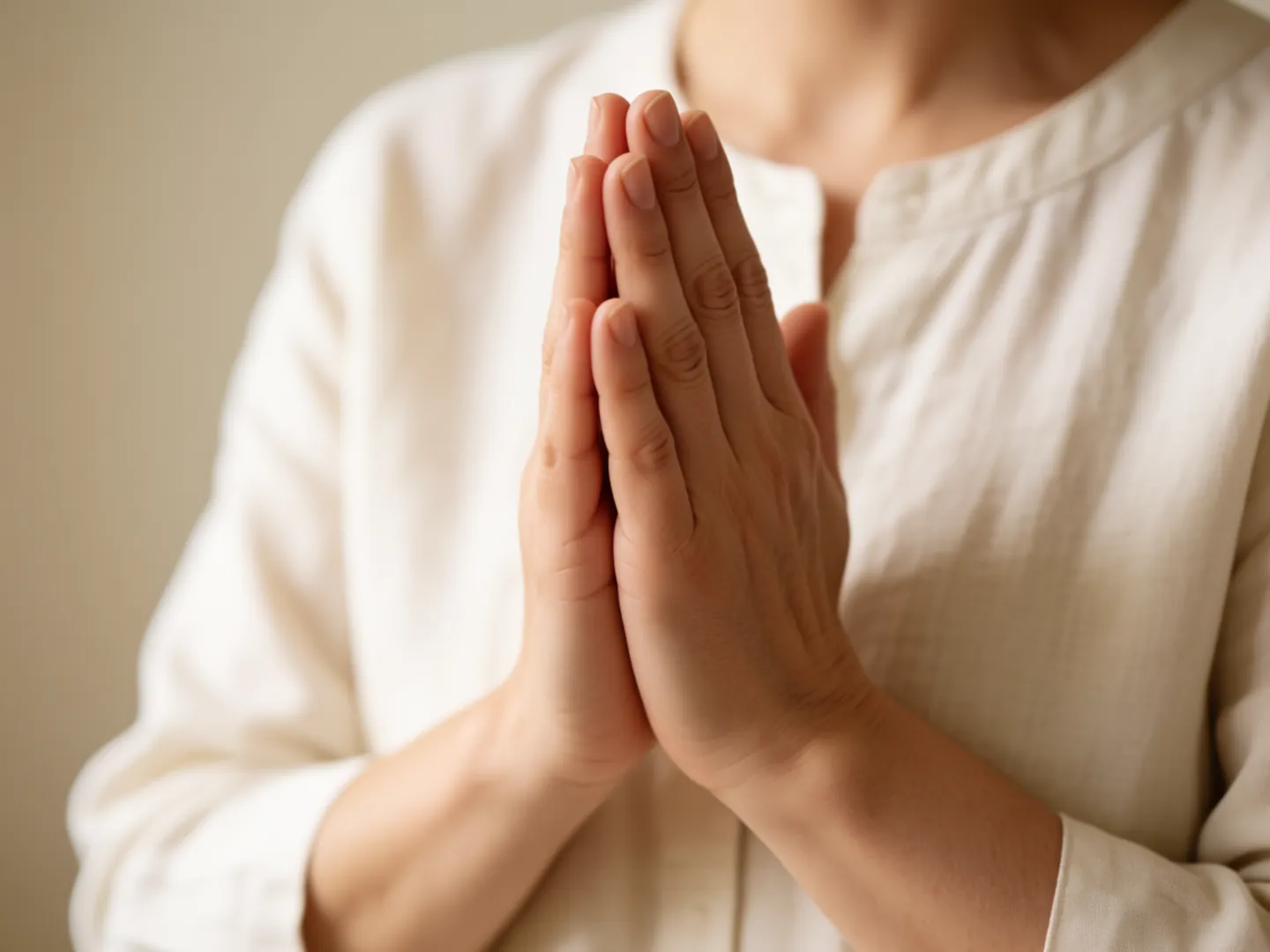
Both hands are raised with palms joined and fingers pointing upwards, lightly touching the body somewhere between the chest and the forehead.
Who greets first? dancingwai
00A CULTURAL GUIDE
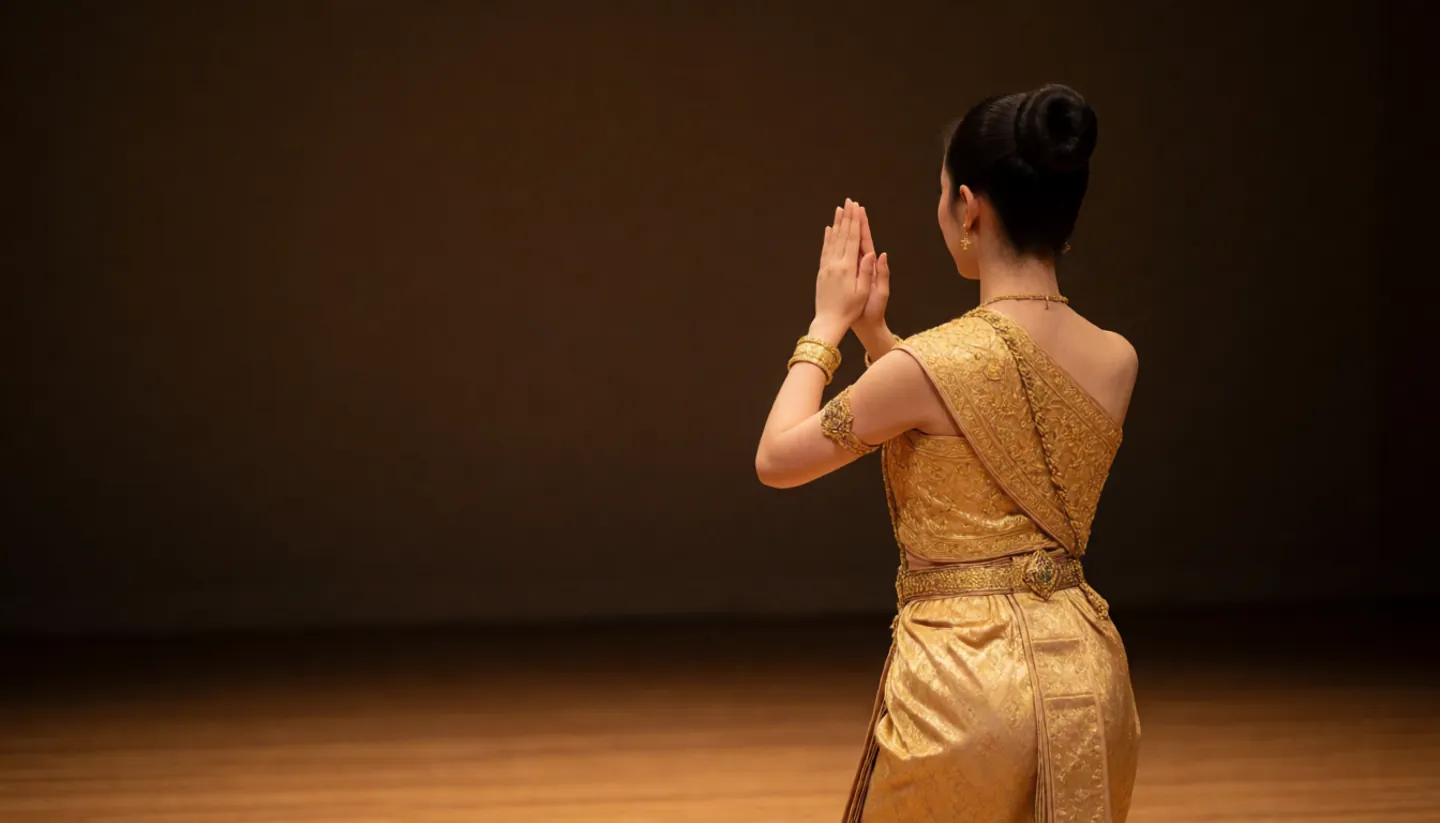
In Thailand, a greeting can also say how much you respect someone.
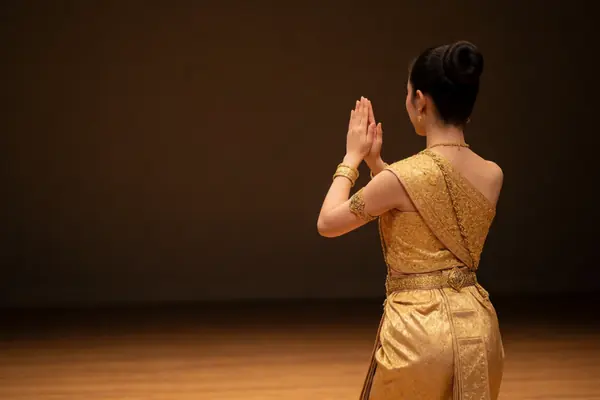
The wai joins the hands as if in prayer and bows the head to meet them. How high the hands go, and who moves first, follows long-standing rules of courtesy. The same gesture gives its name to Wai Khru, the ceremony for honouring teachers.
Try the greeting guide01Principles
02THE SHORT ANSWER
The wai has a standard form,
and the details change with who you meet.
THE GESTURE
Both hands are raised with palms joined and fingers pointing upwards, lightly touching the body somewhere between the chest and the forehead.
Who greets first?WAI KHRU
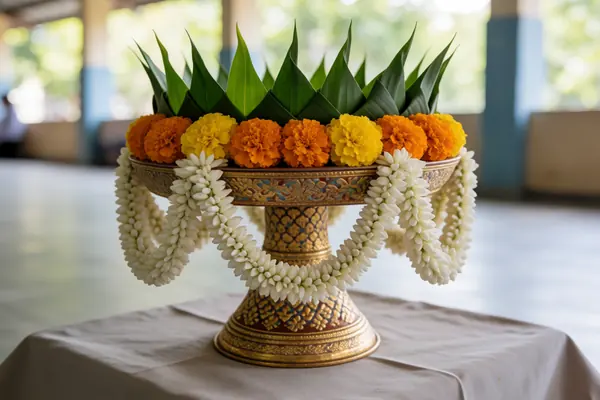
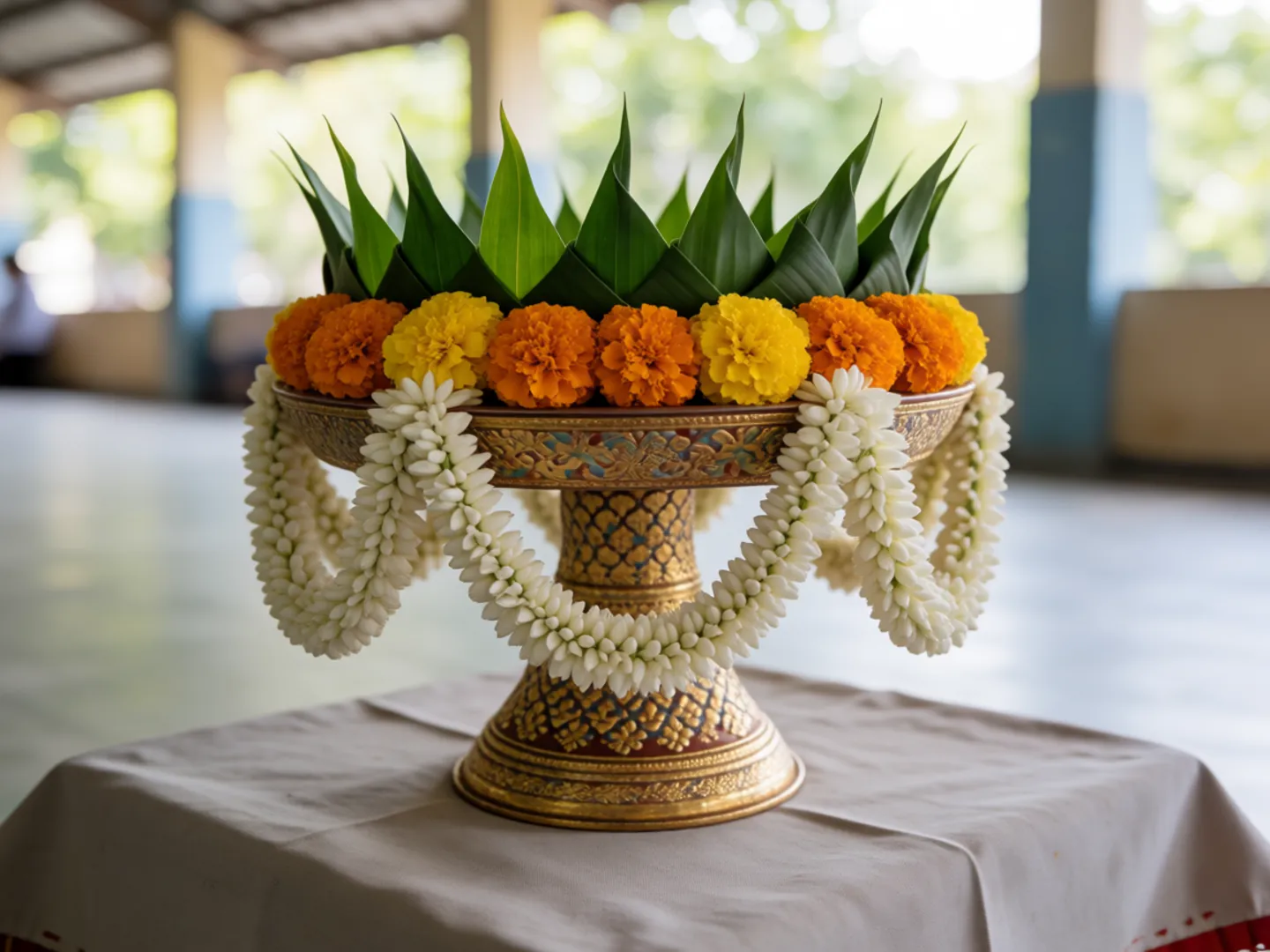
At the start of the school year, students pay respect to their teachers and present trays of flowers, asking to be accepted as their students.
The ceremonyDANCE AND MUAY THAI
Muay Thai fighters perform the Wai Kru to honour teachers present and past, followed by the Ram Muay, a dance-like routine.
See the numbers03A QUICK GREETING GUIDE
Pick a situation to see how the wai usually works. The bar shows how high the hands and how low the bow tend to be.
Based on etiquette notes from the Faculty of Medicine Siriraj Hospital, Mahidol University. Customs vary; this is a general cultural guide.
04TWO NUMBERS WORTH KNOWING
One figure on the yearly Wai Kru gathering,
one on how the ritual begins.
1,200+ from 57 countries
Participants at the 2016 ceremony
The Tourism Authority of Thailand says the World Wai Kru Muay Thai Ceremony, held each year in Ayutthaya since 2004, attracted over 1,200 followers from 57 countries in 2016.
WORLD WAI KRU · TAT
3 circuits
Times a fighter circles the ring
A fighter performs the Wai Kru by circling the ring three times before kneeling as a sign of respect and asking for an honourable fight and protection for both fighters.
THE RITUAL · TAT
TAT says Wai Kru reportedly dates back to the Sukhothai kingdom (1240–1438), and that gyms and regions add their own movements, so a routine can show where a fighter trained.
05FOUR THINGS TO NOTICE
Visitors are not expected to know every rule. These are the points the etiquette guidance highlights.
Hands held higher, with the head bowed further to the thumbs, show more respect.
The person junior in age or status usually offers the wai first.
A senior person returns the wai with hands at around chest height.
The wai may be made while sitting, walking or standing.
06WAI KHRU IN SCHOOLS
Schools in Thailand hold a Wai Khru ceremony at the beginning of the academic year. Students show humility and appreciation, ask teachers to accept them as students, and teachers offer words of encouragement.
Students present decorated pedestal trays of flowers, candles or jasmine garlands, and may sing a song honouring teachers. The word kru comes from the Sanskrit guru, meaning teacher.
07Questions
The wai is the traditional Thai greeting: both hands raised with palms joined and fingers pointing upwards, touching the body somewhere between the chest and the forehead. It is a sign of respect as well as a greeting.
The person who is junior in age or status offers the wai first, and the senior person returns it, generally with the hands at around chest height.
Respect is shown by the height at which the hands are held and how low the head comes down to meet the thumbs.
Wai is the greeting and kru is the Thai form of the Sanskrit word guru, meaning teacher. The Tourism Authority of Thailand suggests 'ritual salute to teachers present and past' as a translation.
It is a traditional rite at the beginning of each academic year, when students show respect to their teachers and present flower trays to them.
08Sources
ABOUT THIS NAME
dancingwai.com is part of the DoodleSale portfolio. It isn't in an auction right now, but you can ask about leasing it.